Instructions
- Begin by thoroughly washing all your fresh produce under cold running water. It’s crucial to ensure your greens and fruits are clean before blending.
- Prepare your ingredients: Core and roughly chop the green apple, peel and quarter the kiwi, and juice half a lime. If using fresh ginger, peel and finely chop a small piece.
- Add the liquid base to your blender first. Pour in 1 cup of cold water or your preferred unsweetened plant-based milk. Starting with the liquid at the bottom helps the blades engage more effectively and creates a smoother blend.
- Next, add the fresh spinach and broccoli florets to the blender. If using fresh ginger, add it now. It’s often helpful to add the softer, leafy greens first, as they tend to blend down more easily.
- Place the chopped green apple and quartered kiwi into the blender.
- Squeeze in the fresh lime juice. If you are adding optional ingredients like chia seeds, flax seeds, or a pitted date for sweetness, add them at this stage.
- If you desire a colder, thicker smoothie, add a handful of ice cubes to the blender.
- Secure the lid on your blender and start blending on a low speed, gradually increasing to high. Blend until the mixture is completely smooth and creamy, with no visible chunks of fruit or vegetable. This may take 1-2 minutes, depending on the power of your blender. If the mixture is too thick, add a splash more water or plant milk until the desired consistency is achieved.
- Taste the smoothie. If you prefer it sweeter, add 1-2 teaspoons of maple syrup or another small pitted date and blend again briefly to incorporate.
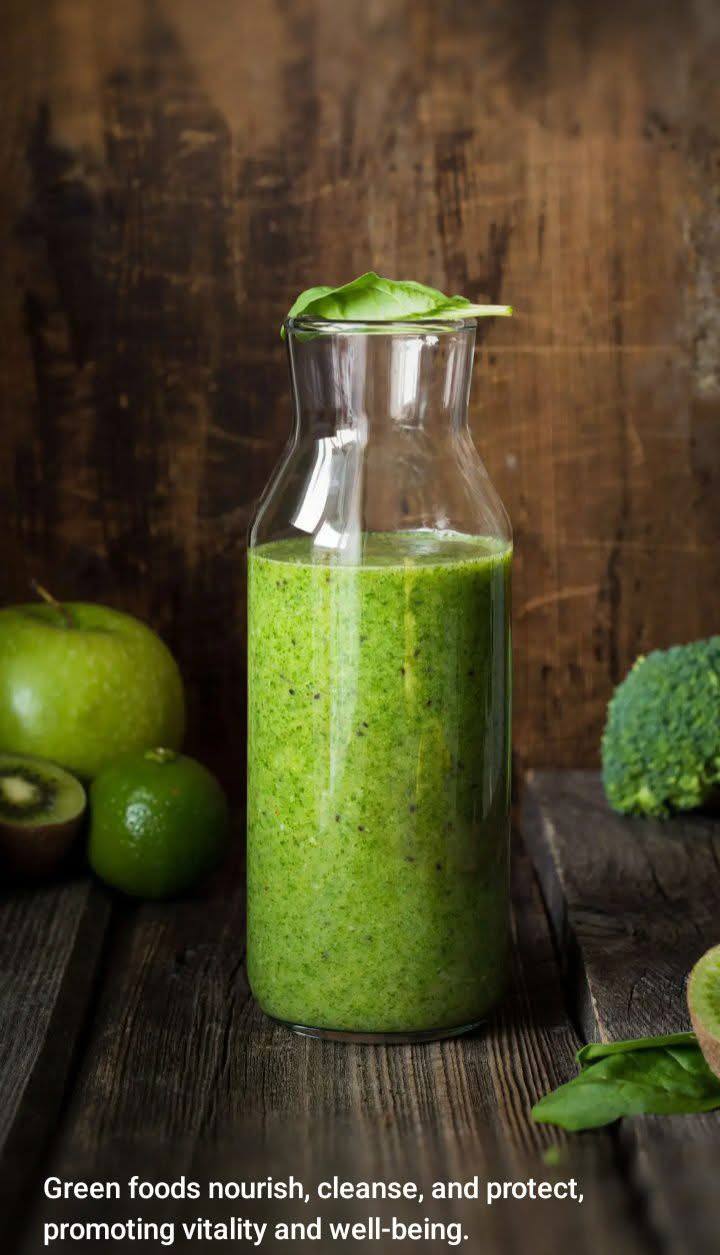
- Pour the healthy green smoothie into a glass and enjoy immediately for the best flavor and nutritional benefits.
Cooking Tips and Variations
Achieving the perfect green smoothie is an art, and these tips will help you master it. For the best results, always prioritize fresh, high-quality ingredients. The ripeness of your fruit can significantly impact the taste; a slightly riper apple or kiwi will contribute more natural sweetness. When it comes to blending, remember to add your liquid first, followed by soft greens, then harder fruits and vegetables. This layering technique helps your blender work more efficiently, resulting in a silkier texture. If your blender struggles, try blending the greens with the liquid first until smooth, then add the remaining ingredients. For a consistently cold and thick smoothie, especially if you prefer not to use ice, consider freezing your fruit. Freezing chopped apple or kiwi overnight can transform your smoothie into a delightful, frosty treat without diluting the flavor.
Customization is key to making this green smoothie truly your own. Don’t be afraid to experiment with different greens; while spinach is mild and a great starting point, you can gradually introduce kale, romaine lettuce, or even parsley for varied nutrient profiles. Just be aware that stronger greens might require a bit more fruit or natural sweetener to balance their flavor. Boosters are another fantastic way to enhance your smoothie. Chia seeds, flax seeds, and hemp seeds are excellent sources of omega-3 fatty acids and fiber. For an extra protein kick, consider adding a scoop of your favorite plant-based protein powder. A small piece of fresh ginger not only adds a lovely zing but also aids digestion, while a pinch of Ceylon cinnamon can help regulate blood sugar. If you prefer a creamier texture, replace some of the water with half an avocado or a spoonful of almond butter. For a tropical twist, swap half the water with coconut water and add a few pineapple chunks. The possibilities are endless, so have fun exploring!
Storage and Reheating
While green smoothies are undoubtedly best enjoyed fresh, sometimes you might have leftovers or want to prepare a batch ahead of time for convenience. The key to storing a green smoothie is to minimize its exposure to air, which can cause oxidation and lead to a loss of nutrients and a change in color and taste. To store your leftover smoothie, pour it into an airtight container or a jar with a tight-fitting lid, filling it as close to the top as possible to reduce air pockets. You can also use a reusable silicone bag, squeezing out as much air as you can before sealing.
Refrigerate the smoothie for up to 24 hours. Beyond this, the flavor and nutrient content may start to degrade. Before drinking, give it a good shake or a quick stir, as some separation is natural. You’ll notice it might not be as vibrant green as when freshly made, but it will still be perfectly safe and nutritious to consume. Reheating is generally not recommended for smoothies, as heat can destroy delicate vitamins and enzymes, and the texture would become unappetizing. The beauty of a smoothie is its refreshing, cool nature, so it’s always best enjoyed chilled.
For longer storage, you can freeze your green smoothie. Pour the smoothie into ice cube trays or freezer-safe bags, leaving a little room for expansion. Once frozen, transfer the cubes or frozen smoothie to a larger freezer bag. This way, you can store it for up to 1-2 months. When you’re ready to enjoy, simply pop a few cubes into your blender with a splash of water or plant milk and blend until smooth. This method is particularly convenient for meal prepping, ensuring you always have a healthy option on hand.
Frequently Asked Questions
Why do green smoothies turn brown?
Green smoothies turn brown primarily due to oxidation. When the fresh fruits and vegetables in the smoothie are exposed to air, their enzymes react with oxygen, causing a change in color. This is similar to how a sliced apple turns brown. While it might not look as appetizing, a brown smoothie is generally still safe to drink within a reasonable timeframe (usually within 24 hours if refrigerated) and retains most of its nutritional value. To slow down oxidation, ensure your smoothie container is airtight and filled to the brim to minimize air exposure, and add a squeeze of lemon or lime juice, as the vitamin C acts as an antioxidant.
Can I make green smoothies ahead of time?
Yes, you can make green smoothies ahead of time, but for the best taste and nutrient retention, it’s ideal to consume them fresh. If you need to prepare them in advance, store them in an airtight container in the refrigerator for no more than 24 hours. For longer storage, you can freeze individual portions in freezer-safe bags or ice cube trays for up to 1-2 months. When ready to drink, thaw in the refrigerator or blend directly with a little liquid until smooth again. Freezing helps preserve nutrients better than prolonged refrigeration.
What if my green smoothie is too thick or too thin?
The consistency of your green smoothie is entirely a matter of personal preference and can be easily adjusted. If your smoothie is too thick, simply add more liquid (water, plant-based milk, or even a little fruit juice) a tablespoon at a time until you reach your desired consistency. Blend briefly after each addition to incorporate. If your smoothie is too thin, you can thicken it by adding more solid ingredients like extra fruit (especially frozen fruit), a spoonful of chia seeds or flax seeds (which absorb liquid and swell), or even half an avocado for a creamier, richer texture. You can also add more ice if you prefer a colder, thicker smoothie.