Pro Tips for Green Juice & Smoothie Success
To make your 6-day plan even more enjoyable and efficient, keep these pro tips in mind:
- Ingredient Prep & Storage: Wash all your produce as soon as you get home. You can chop harder vegetables like celery and cucumber in advance and store them in airtight containers in the fridge. For greens like spinach and Swiss chard, wash and dry them thoroughly before storing them in a breathable bag or container with a paper towel to absorb excess moisture. Freezing pre-portioned fruits and greens (especially spinach and pineapple) is excellent for smoothies, as it creates a colder, thicker blend.
- Equipment Care: Always clean your juicer or blender immediately after use. This prevents residue from drying and becoming difficult to remove. For blenders, a quick rinse and then a blend with warm water and a drop of dish soap usually does the trick. For juicers, disassemble and wash all parts according to the manufacturer’s instructions.
- Customization: Don’t be afraid to make these recipes your own!
- Add Protein: For a more filling smoothie, consider a scoop of your favorite plant-based protein powder (like pea or hemp), a tablespoon of chia seeds, or a dollop of Greek yogurt (if dairy-friendly).
- Healthy Fats: A quarter of an avocado or a tablespoon of flax seeds or almond butter can add healthy fats, improve satiety, and enhance nutrient absorption in smoothies.
- Superfoods: Boost the nutritional punch with a teaspoon of spirulina, chlorella, or maca powder.
- Liquids: For smoothies, experiment with different liquid bases like unsweetened almond milk, oat milk, coconut water, or plain filtered water. For juicing, you generally don’t need added liquid, but a splash of water can sometimes help dense ingredients pass through.
- Sweeteners: While the fruits in these recipes provide natural sweetness, if you prefer a sweeter drink, opt for natural options like a small pitted date, a few drops of liquid stevia, or a little more apple or pineapple. Avoid refined sugars.
- When to Drink: The best time to enjoy your green juice or smoothie is often in the morning on an empty stomach for optimal nutrient absorption. They also make fantastic energizing snacks, pre-workout boosts, or post-workout recovery drinks. Listen to what feels best for your body.
- Listen to Your Body: Pay attention to how your body responds to different ingredients. If a certain vegetable causes digestive discomfort, try swapping it out for another green. Adjust ingredients based on your taste preferences – if something is too earthy, a squeeze of lemon or lime can brighten the flavor.
- Ingredient Freshness: Always use fresh, high-quality produce for the best taste and maximum nutrient content. Organic produce is often preferred to minimize pesticide exposure.
- Taste Adjustment: A small piece of ginger can add a spicy kick and digestive benefits. Lemon or lime juice can cut through earthiness and add a refreshing zing.
- Storage: Green juices are best consumed immediately as their nutritional value can diminish over time due to oxidation. If you must store them, do so in an airtight glass jar, filled to the brim to minimize air exposure, and refrigerate for no more than 24-48 hours. Smoothies are also best fresh but can be stored in the fridge for a few hours in a sealed container.
- Equipment: Invest in a good quality blender for smoothies – one with a strong motor will yield the smoothest results. For juicing, consider whether a centrifugal (faster, more affordable) or masticating (slower, better for leafy greens, more expensive) juicer fits your needs.
- Dietary Considerations: While this plan is designed to be healthy, if you have specific dietary restrictions, allergies, or underlying health conditions, it’s always wise to consult with a healthcare professional or registered dietitian before making significant changes to your diet.
- Sustainability: If you’re juicing, don’t let the pulp go to waste! You can add vegetable pulp to compost, use it in vegetable broth, or even incorporate it into baked goods like muffins or crackers.
Conclusion
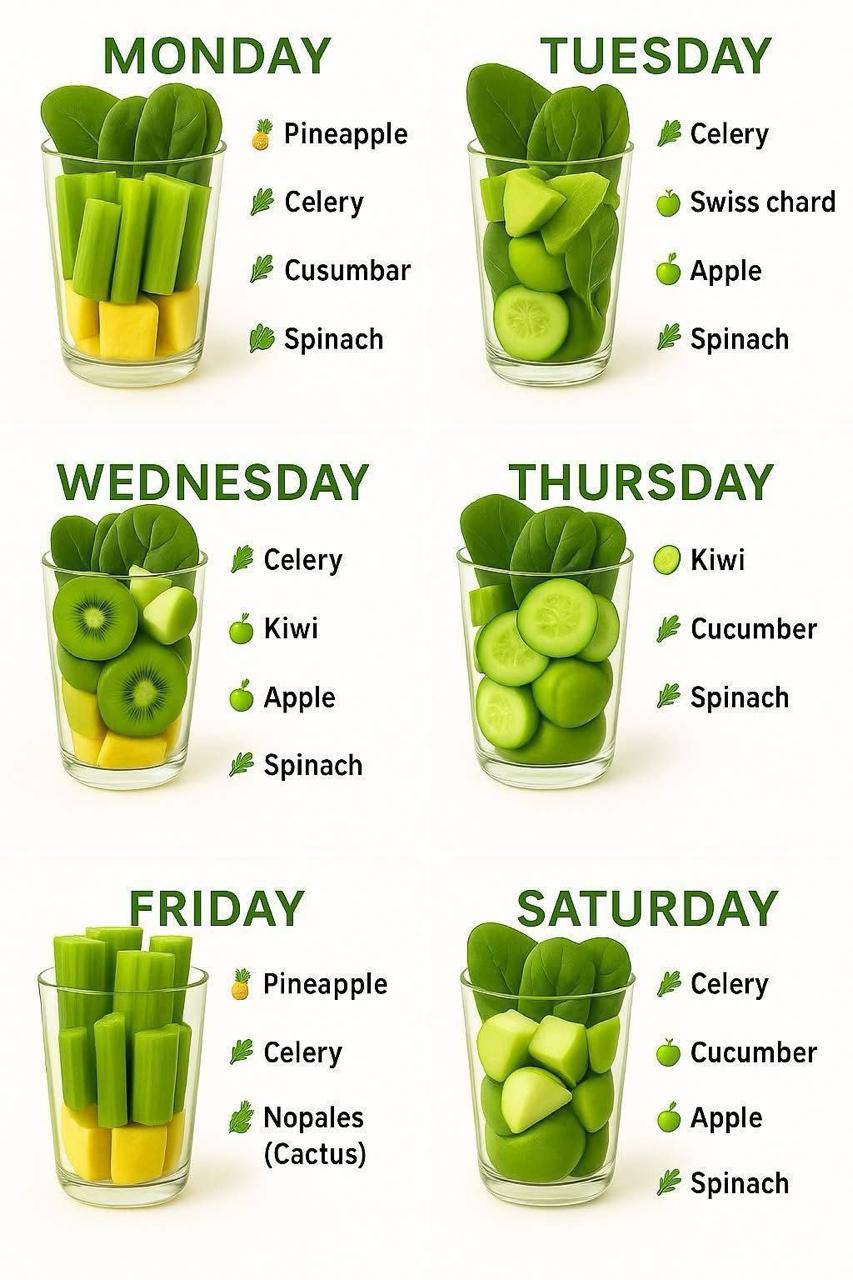
Congratulations on taking the first step towards a more vibrant and energetic you! This 6-Day Green Juice & Smoothie Plan is designed to be a simple yet powerful introduction to the incredible benefits of incorporating daily green beverages into your life. We’ve explored the distinct advantages of both juicing and blending, providing you with a foundation to understand how these nutrient-dense drinks support your health, from boosting energy and aiding digestion to enhancing your overall well-being.
Remember, this plan is more than just a set of recipes; it’s an invitation to cultivate healthy habits and a deeper connection with nourishing your body. The ease of preparation, combined with the profound impact on your energy levels and vitality, makes this a sustainable practice you’ll want to continue far beyond these six days. Don’t be afraid to experiment, swap ingredients, and discover your own favorite green concoctions. Your body will thank you for this delicious journey towards better health.
We encourage you to share your experiences with this plan! What were your favorite recipes? Did you discover new ingredient combinations? Tag us on social media or leave a comment below to inspire others on their green journey. Keep exploring, keep blending, and keep juicing your way to a healthier, happier you!
Frequently Asked Questions
Can I prepare these juices and smoothies in advance?
While green juices are best consumed immediately to maximize nutrient retention and minimize oxidation, you can store them in an airtight glass jar, filled to the brim, in the refrigerator for up to 24-48 hours. Smoothies are also best fresh but can be stored in a sealed container in the fridge for a few hours. For smoothies, you can pre-chop and bag ingredients (especially freezing fruit and greens) for quick blending later.
What if I don’t have a juicer? Can I make all these as smoothies?
Absolutely! All the recipes in this plan can be made into smoothies using a high-speed blender. When blending, you’ll simply need to add a liquid base like water, coconut water, or unsweetened almond milk to help the ingredients combine and achieve your desired consistency. Keep in mind that smoothies will retain all the fiber, making them thicker and more filling than juices.
I’m new to green drinks. Will they taste good?
Many people are surprised by how delicious green juices and smoothies can be! The recipes in this plan are designed to incorporate fruits like pineapple, apple, and kiwi to balance the earthiness of the greens, creating pleasant and refreshing flavors. If you find a recipe too “green” for your taste, you can always add a squeeze of lemon or lime, a small piece of ginger, or a little more fruit to adjust the sweetness and flavor profile.
Can I use frozen fruits and vegetables?
Yes, frozen fruits and vegetables are excellent for smoothies! They add a cold, thick texture without the need for ice. For juicing, it’s generally best to use fresh produce as frozen ingredients can sometimes clog or damage certain juicers. If using frozen greens or fruits for smoothies, you might need to add a little more liquid to ensure a smooth blend.