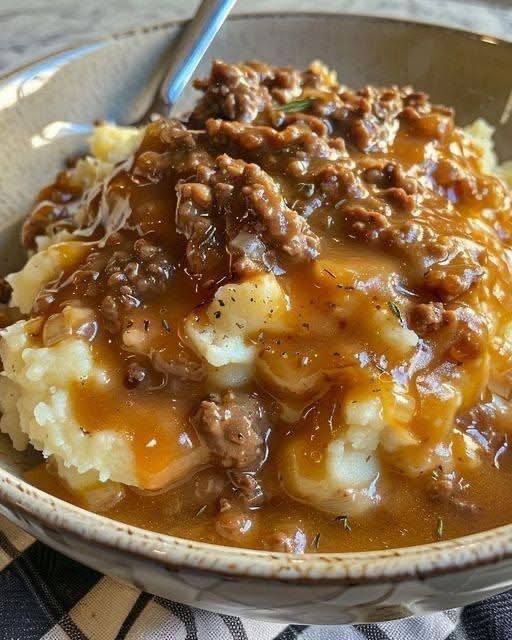
Instructions
A. Preparing the Creamy Mashed Potatoes
- Prepare the Potatoes: Peel the potatoes and cut them into even 1-inch chunks. Place the potato chunks in a large pot and cover them with cold water by about an inch. Add 1 teaspoon of salt to the water.
- Boil the Potatoes: Bring the water to a boil over high heat, then reduce the heat to medium-low and simmer until the potatoes are fork-tender, about 15-20 minutes.
- Drain and Mash: Carefully drain the potatoes thoroughly in a colander. Return the drained potatoes to the hot, empty pot. This helps to evaporate any excess moisture, which is key for fluffy potatoes.
- Add Dairy and Seasonings: Add the softened butter to the hot potatoes. Begin mashing with a potato masher. Once mostly mashed, gradually add the warmed milk or cream, continuing to mash until smooth and creamy. Be careful not to overmix, as this can make the potatoes gluey.
- Season: Stir in the salt, black pepper, and optional pinch of nutmeg. Taste and adjust seasonings as needed. Cover to keep warm while you prepare the gravy.
B. Crafting the Savory Beef Gravy
- Brown the Beef: Heat the olive oil in a large skillet or Dutch oven over medium-high heat. Add the ground beef and cook, breaking it up with a spoon, until thoroughly browned and no pink remains.
- Drain Fat (Optional) and Sauté Aromatics: If there’s an excessive amount of fat, carefully drain off some, leaving about 1-2 tablespoons in the pan for flavor. Add the diced onion to the skillet and cook until softened, about 5-7 minutes. Add the minced garlic, dried thyme, and crushed rosemary, and cook for another minute until fragrant.
- Make a Roux: Sprinkle the all-purpose flour over the beef and onion mixture. Cook, stirring constantly, for 1-2 minutes, allowing the flour to cook out its raw taste. This creates a roux, which will thicken your gravy.
- Add Liquid and Simmer: Gradually pour in the beef broth, whisking constantly to prevent lumps. Add the Worcestershire sauce. Bring the mixture to a simmer, then reduce the heat to medium-low.
- Thicken and Season: Let the gravy simmer gently for 8-10 minutes, stirring occasionally, until it has thickened to your desired consistency. If it’s too thick, add a splash more broth. If it’s too thin, you can simmer it a bit longer or create a cornstarch slurry (1 tablespoon cornstarch mixed with 2 tablespoons cold water) and whisk it in, simmering for another minute.
- Final Seasoning: Taste the gravy and season with salt and black pepper as needed.
C. Assembly and Serving Suggestions
- Plate the Potatoes: Spoon generous portions of the creamy mashed potatoes onto individual plates or a large serving platter.
- Ladle the Gravy: Spoon a generous amount of the savory beef gravy over the mashed potatoes, ensuring plenty of meaty chunks are included.
- Garnish and Serve: Garnish with fresh chopped parsley or thyme sprigs, if desired. Serve immediately and enjoy your hearty, comforting meal!
Cooking Tips and Variations
Mashed Potato Tips for Perfection:
- Potato Choice is Key: Always opt for starchy potatoes like Russets or Yukon Golds. Their higher starch content breaks down beautifully, resulting in a fluffy, creamy texture. Waxy potatoes tend to be gummier.
- Don’t Overmix: Overworking mashed potatoes can release too much starch, leading to a gluey, unpleasant texture. Mash just until smooth, using a potato masher or a ricer. Avoid food processors, which can easily overmix.
- Warm Your Dairy: Adding cold milk or cream to hot potatoes can cool them down and make them harder to absorb. Gently warm your milk or cream on the stovetop or in the microwave before incorporating it.
- Season Throughout: Add salt to the boiling water for the potatoes, and then taste and adjust seasoning after adding butter and milk. This layers the flavor.
- For Extra Richness: Consider using half-and-half or even heavy cream instead of whole milk for an even richer, more indulgent mashed potato.
Gravy Tips for Maximum Flavor:
- Thorough Browning is Essential: Don’t rush browning the ground beef. The deeper the brown, the more intense and flavorful your gravy will be. Those browned bits (fond) stuck to the bottom of the pan are pure flavor gold.
- Don’t Skimp on Fat (Initially): A little fat from the ground beef is crucial for creating a flavorful roux. If your beef is extra lean, you might need to add a touch more oil before adding flour.
- Deglaze for Depth: After browning the beef and sautéing the aromatics, you can deglaze the pan with a splash of red wine or a bit of the beef broth before adding the flour. Scrape up all those flavorful browned bits from the bottom of the pan.
- Whisk, Whisk, Whisk: When making the roux and adding liquid, consistent whisking is your best friend. This prevents lumps and ensures a smooth, silky gravy.
- Umami Boosters: For an even deeper, more complex flavor, add a teaspoon of soy sauce or a dash of mushroom powder to your gravy. A small amount of tomato paste browned with the onions can also add a lovely depth.
- Adjusting Consistency: If your gravy is too thick, whisk in a little more beef broth until it reaches your desired consistency. If it’s too thin, you can simmer it longer to reduce, or create a cornstarch slurry (1 tablespoon cornstarch dissolved in 2 tablespoons cold water) and whisk it into the simmering gravy, cooking for another minute until thickened.
Make-Ahead Options:
- Mashed Potatoes: Prepare the mashed potatoes up to 1-2 days in advance. Store in an airtight container in the refrigerator. Reheat gently on the stovetop over low heat, adding a splash of milk or cream to restore creaminess, or in the microwave.
- Beef Gravy: The gravy can also be made 2-3 days ahead. Store in an airtight container in the refrigerator. Reheat gently on the stovetop, whisking occasionally. If it’s too thick, add a little beef broth.
Variations to Try:
- Herby Mashed Potatoes: Stir in fresh chopped chives, rosemary, or thyme into your mashed potatoes for an aromatic twist.
- Cheesy Mashed Potatoes: Fold in a cup of shredded cheddar, Gruyere, or Parmesan cheese to your mashed potatoes for a gooey, cheesy delight.
- Spicy Kick: Add a pinch of red pepper flakes to the gravy with the garlic for a subtle heat.
- Mushroom Gravy: Sauté sliced mushrooms with the onions for an earthier, richer gravy.
- Different Meats: While ground beef is classic, you can experiment with ground turkey, ground pork, or a mix of ground meats for the gravy.
Storage and Reheating
Proper storage and reheating are key to enjoying your delicious leftovers. Both the mashed potatoes and the beef gravy store and reheat well, making this a great meal prep option.
Storage:
- Mashed Potatoes: Allow the mashed potatoes to cool completely. Transfer them to an airtight container and store in the refrigerator for up to 3-4 days.
- Beef Gravy: Let the gravy cool to room temperature. Store it in an airtight container in the refrigerator for up to 3-4 days.
Reheating:
- Mashed Potatoes (Stovetop): For best results, reheat mashed potatoes on the stovetop over low to medium-low heat. Place the potatoes in a saucepan with a splash of milk or cream (about 1-2 tablespoons per cup of potatoes). Stir frequently until heated through and creamy, adding more liquid if needed to reach your desired consistency.
- Mashed Potatoes (Microwave): For a quicker option, place mashed potatoes in a microwave-safe bowl. Add a splash of milk or cream, cover, and microwave on medium power, stirring every minute, until heated through.
- Beef Gravy (Stovetop): Reheat the gravy in a saucepan over medium-low heat, stirring frequently. If the gravy has thickened too much during refrigeration, whisk in a small amount of beef broth or water until it reaches your desired consistency. Bring to a gentle simmer and heat through.
- Beef Gravy (Microwave): Place gravy in a microwave-safe bowl and heat on medium power, stirring every minute, until hot. You may need to whisk in a little liquid if it’s too thick.
Always ensure that reheated leftovers reach an internal temperature of 165°F (74°C) for food safety.
Frequently Asked Questions
What kind of potatoes are best for mashing?
For the creamiest, fluffiest mashed potatoes, starchy varieties like Russet or Yukon Gold potatoes are highly recommended. Their high starch content breaks down beautifully when cooked, allowing them to absorb butter and milk easily without becoming gummy. Avoid waxy potatoes like red bliss or new potatoes, as they tend to hold their shape more and can result in a gluey texture when mashed.
How can I prevent my gravy from becoming lumpy?
Lumpy gravy is a common frustration, but it’s easily avoidable! The key is to make a smooth roux first: whisk the flour into the fat and cook it for a minute or two until smooth. When adding the liquid (beef broth), pour it in gradually while whisking continuously and vigorously. Start with a small amount of liquid to create a thick paste, then slowly add more, whisking out any lumps as you go, until all the liquid is incorporated. Using warm broth can also help prevent lumps.
Can I make this recipe ahead of time for a party or holiday meal?
Absolutely! Both the creamy mashed potatoes and the savory beef gravy can be prepared ahead of time, making this an excellent dish for meal prepping or entertaining. You can make both components 2-3 days in advance and store them separately in airtight containers in the refrigerator. When ready to serve, gently reheat the mashed potatoes on the stovetop with a splash of milk or cream, and reheat the gravy on the stovetop, adding a little beef broth if it’s too thick. This allows for less stress on the day of your event, letting you focus on other preparations or simply enjoying your guests.
My mashed potatoes turned out gluey. What went wrong?
Gluey mashed potatoes are usually the result of overworking them. When potatoes are mashed too much, especially with a food processor or electric mixer, the starch cells can break down excessively and release too much starch, leading to a sticky, gummy texture. To avoid this, use a traditional potato masher or a potato ricer for the best results. Mash just until the potatoes are smooth and creamy, and then stop. Also, ensure you use a starchy potato variety, as waxy potatoes are more prone to becoming gluey.